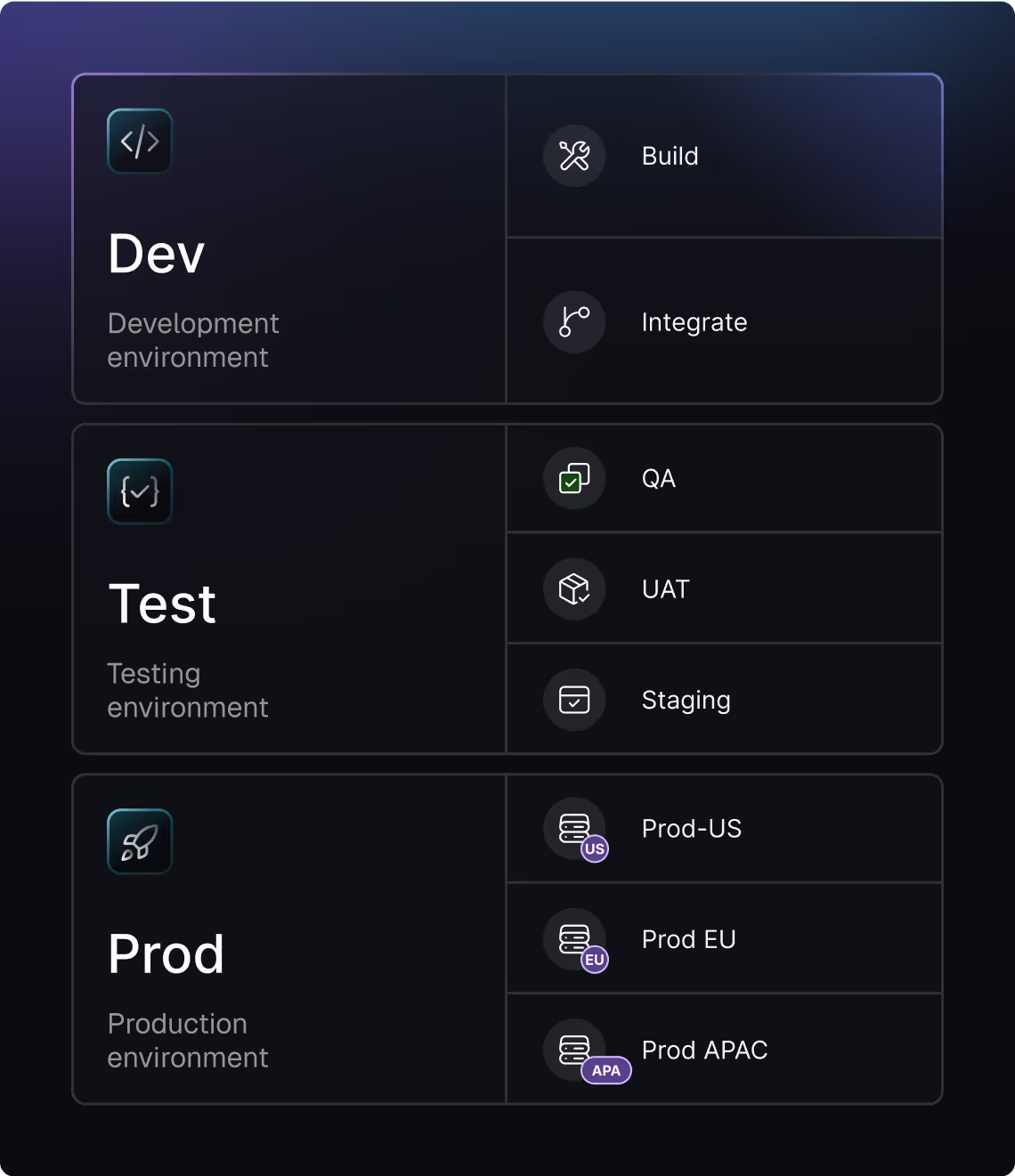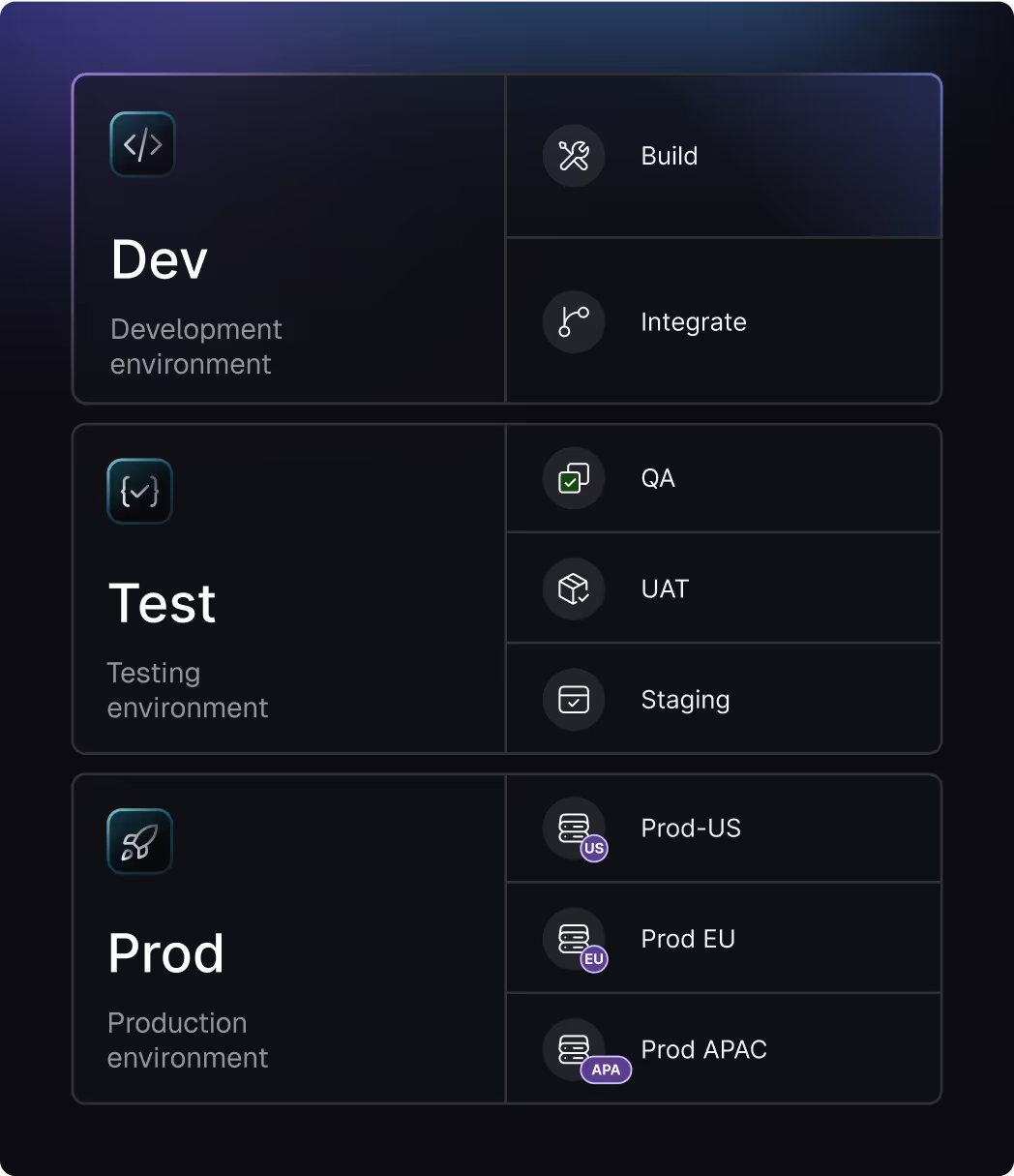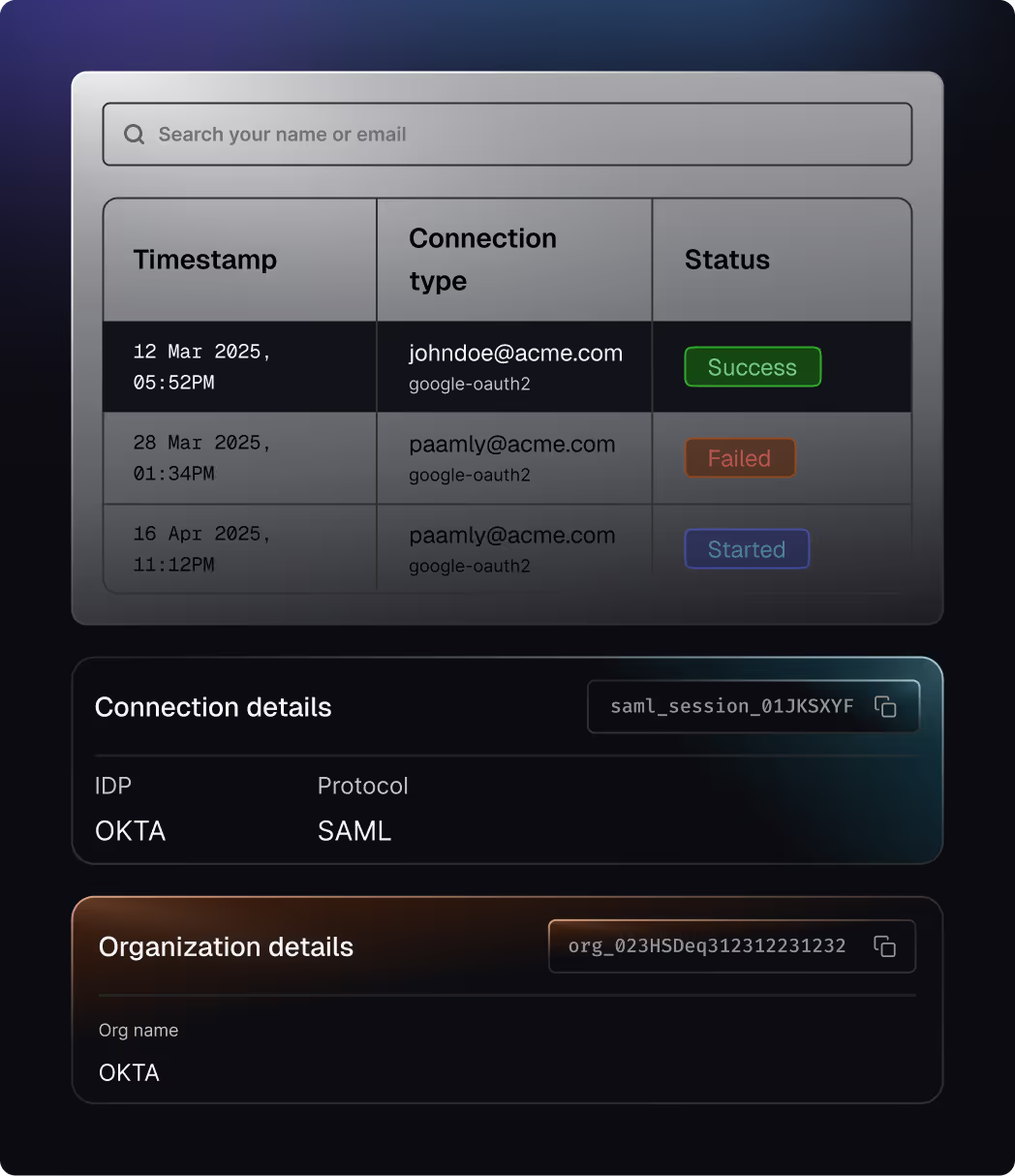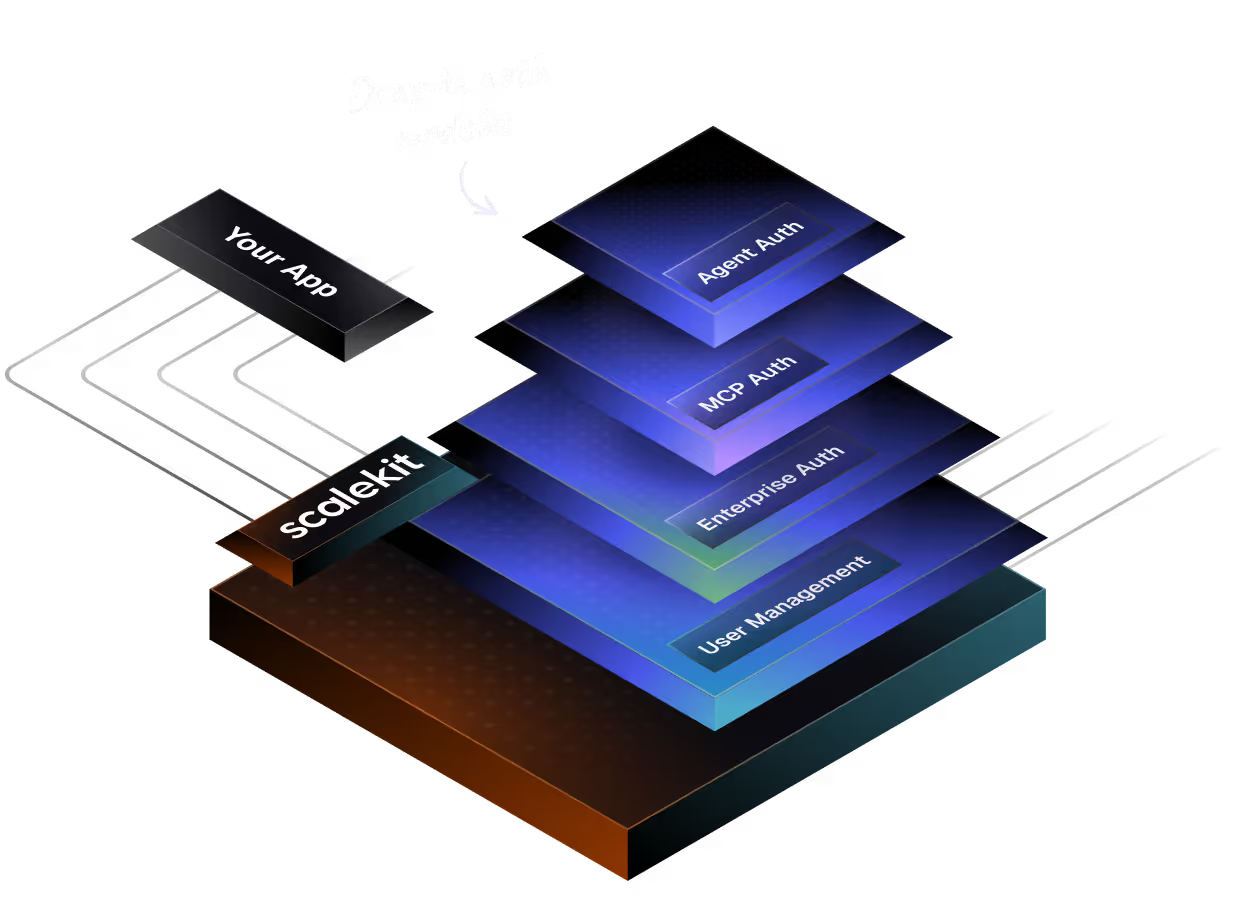
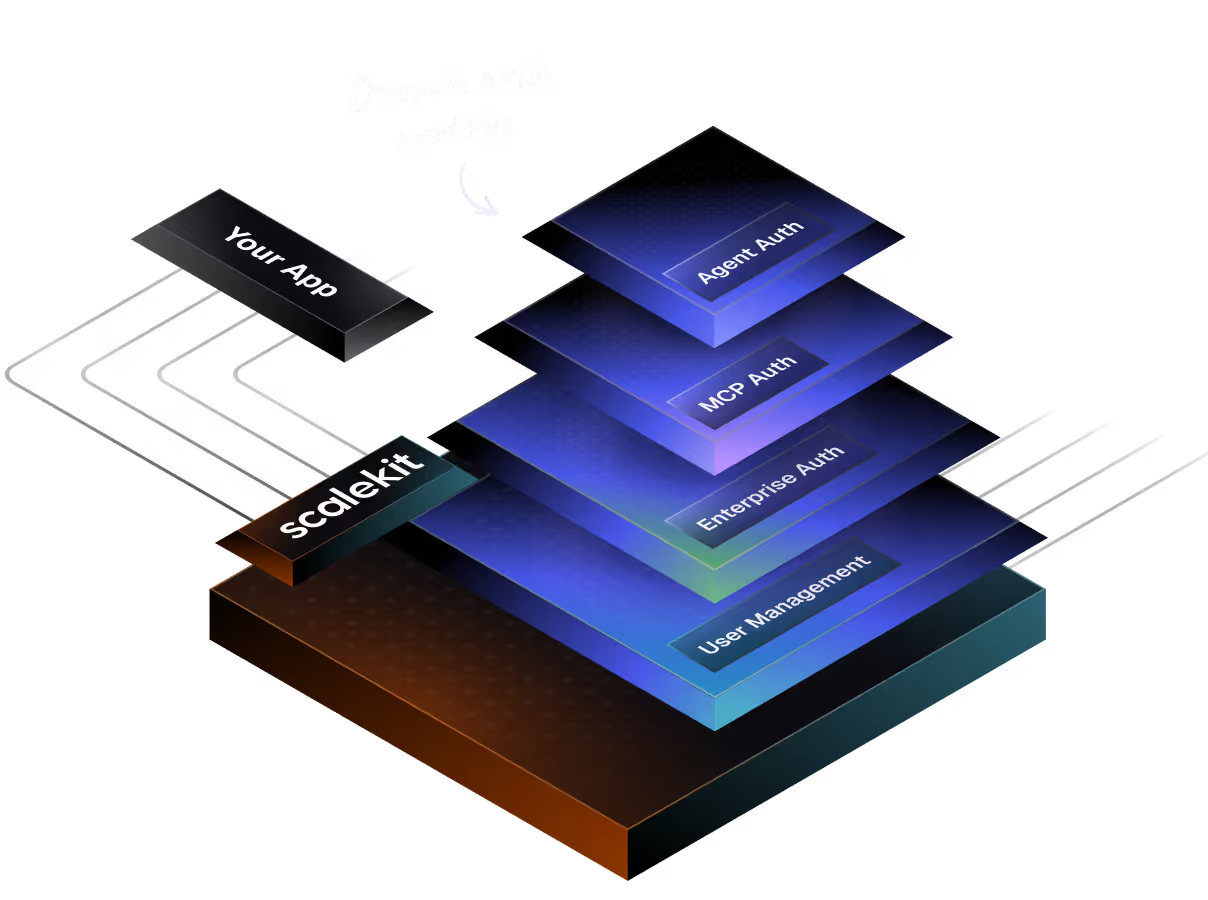





























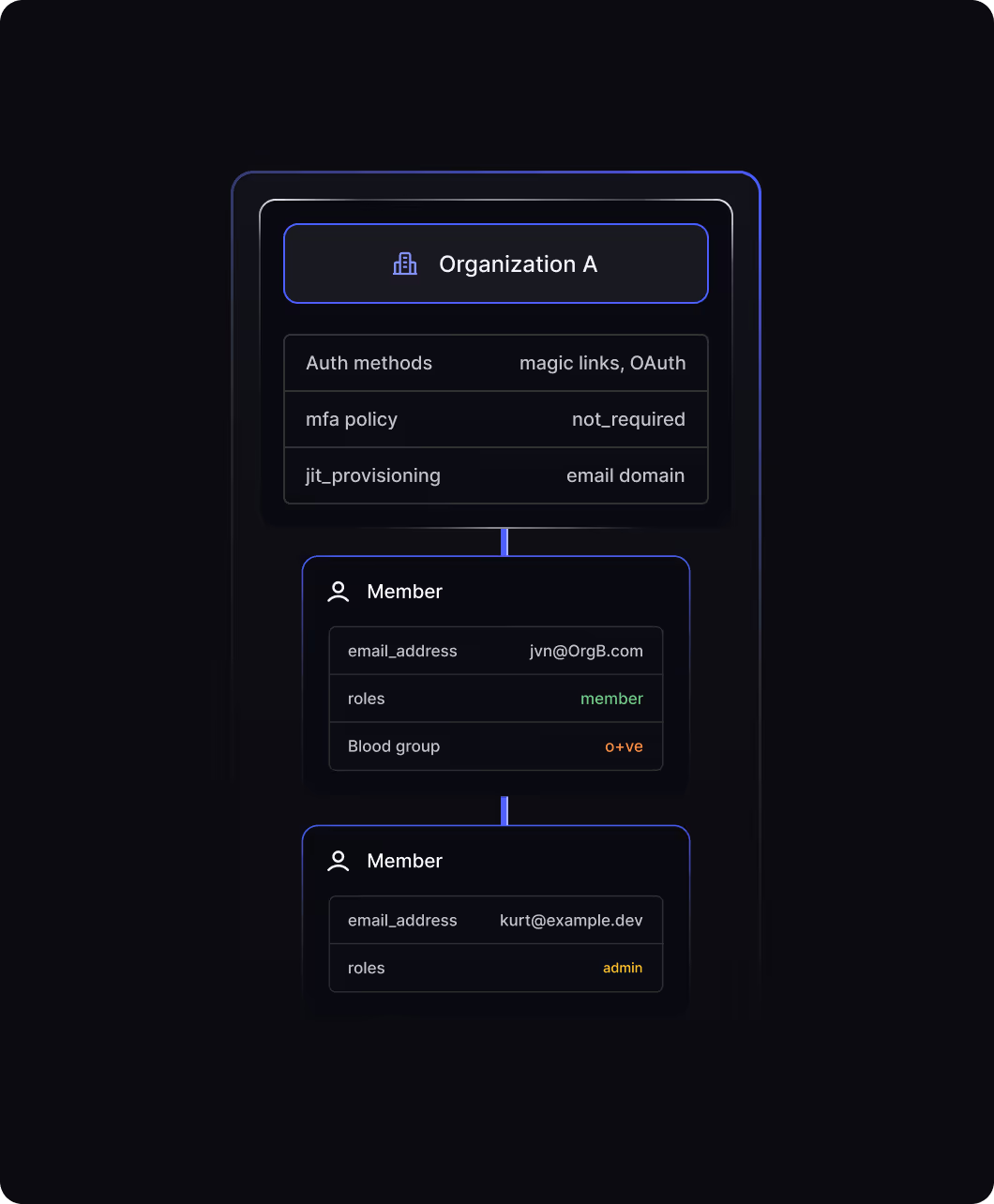
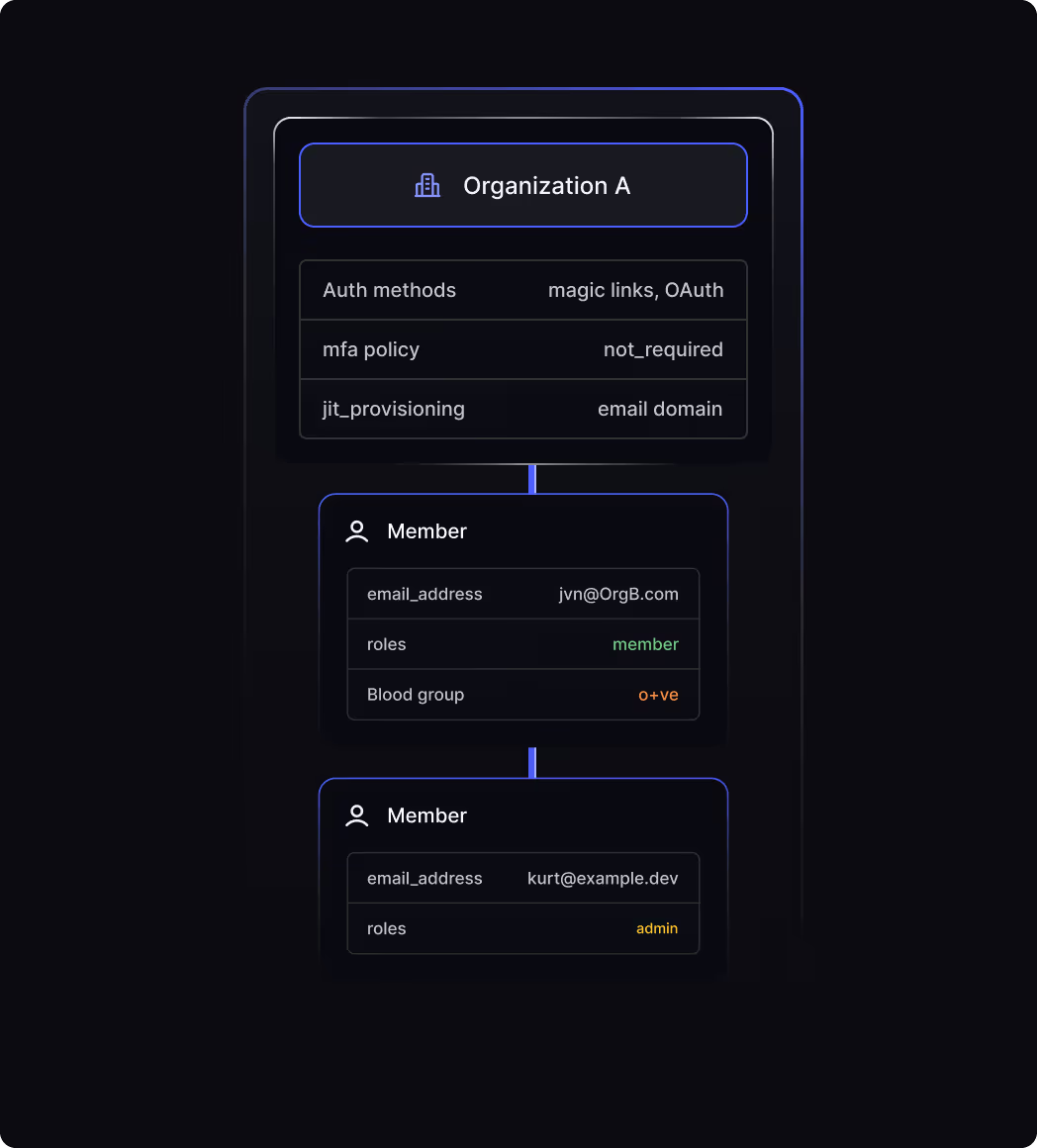
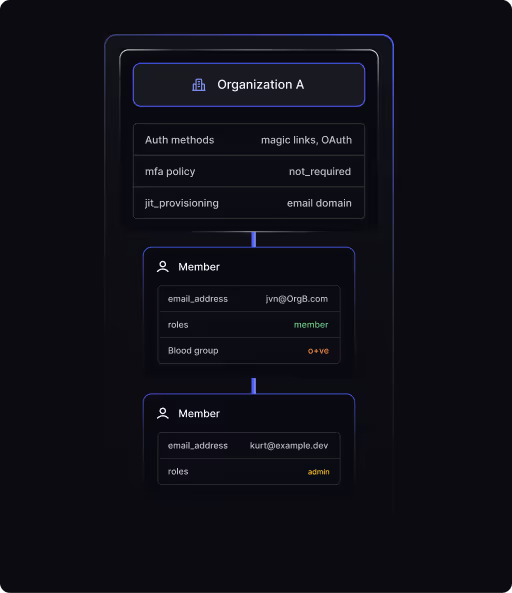
Multi-tenancy with an org-first data model, shared users, and home-realm discovery


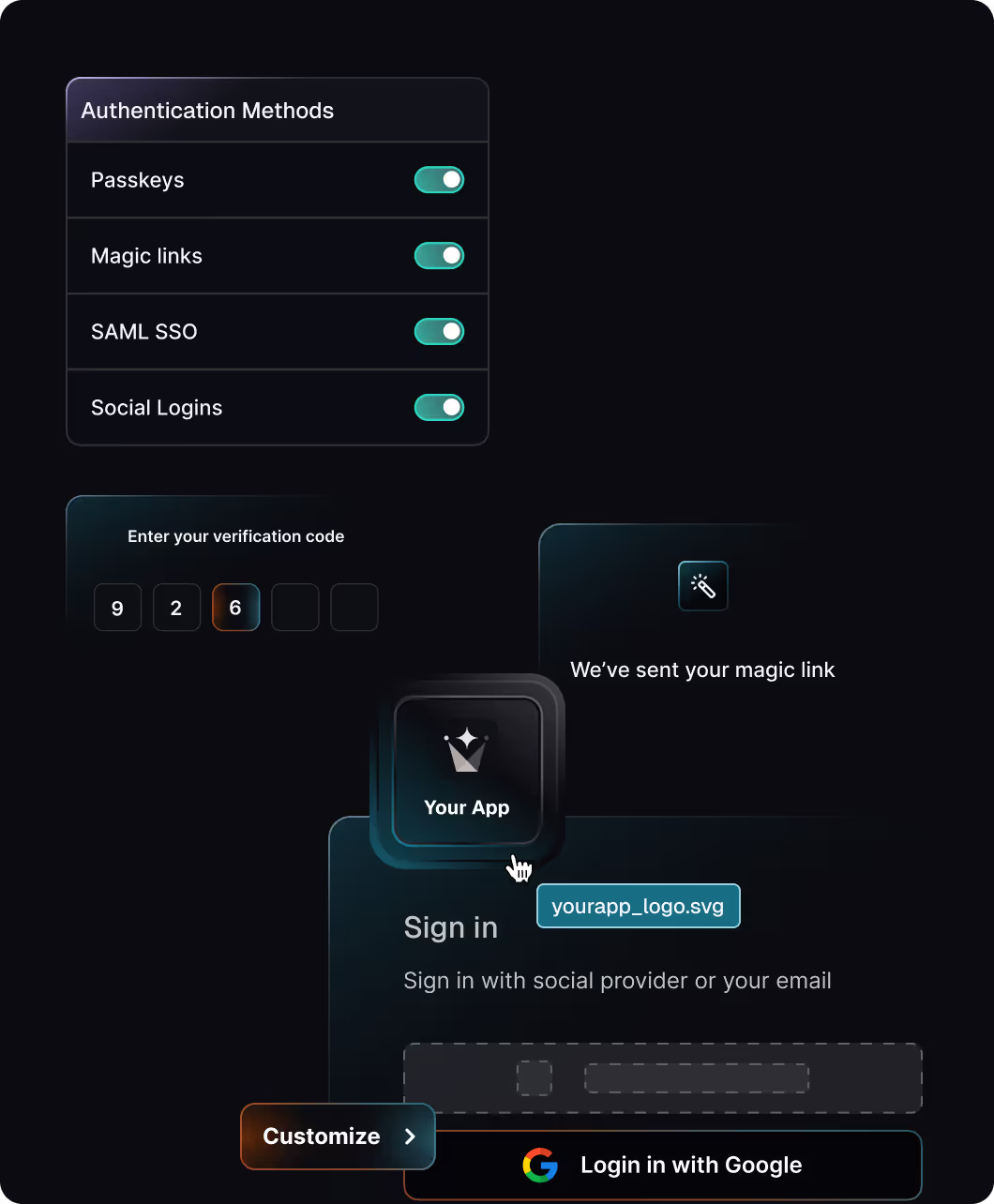
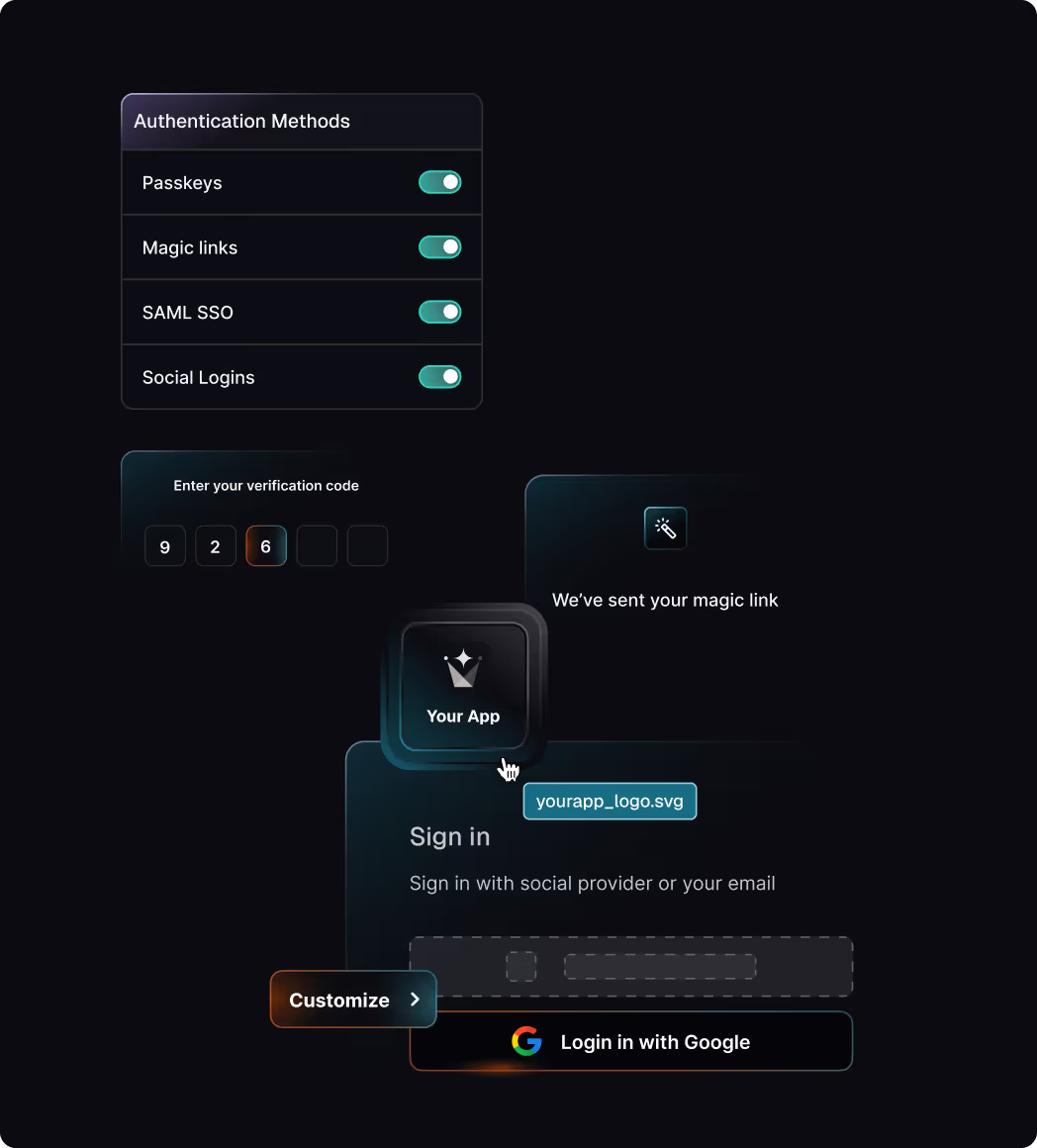
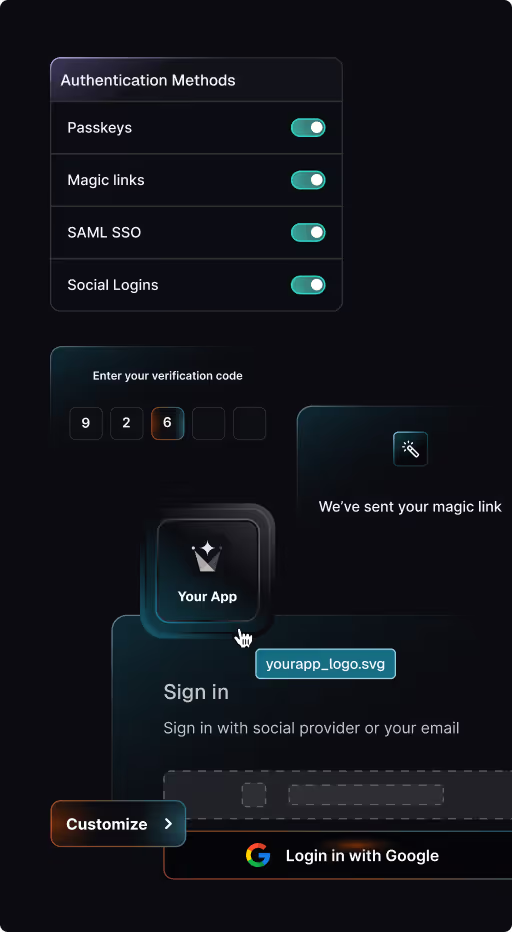
Magic links, passkeys, OTP, and email-first flows — with ready-to-use UI components

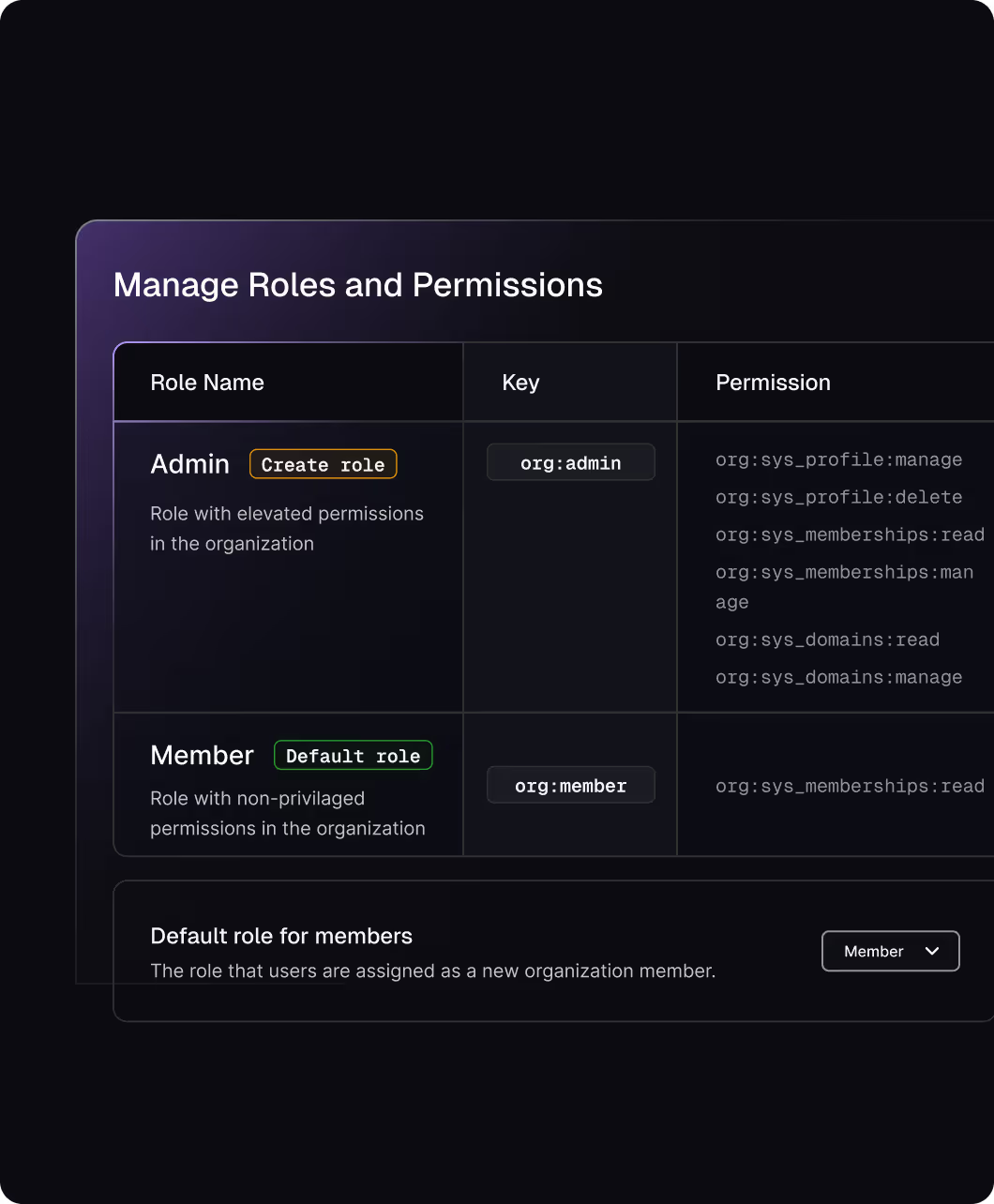
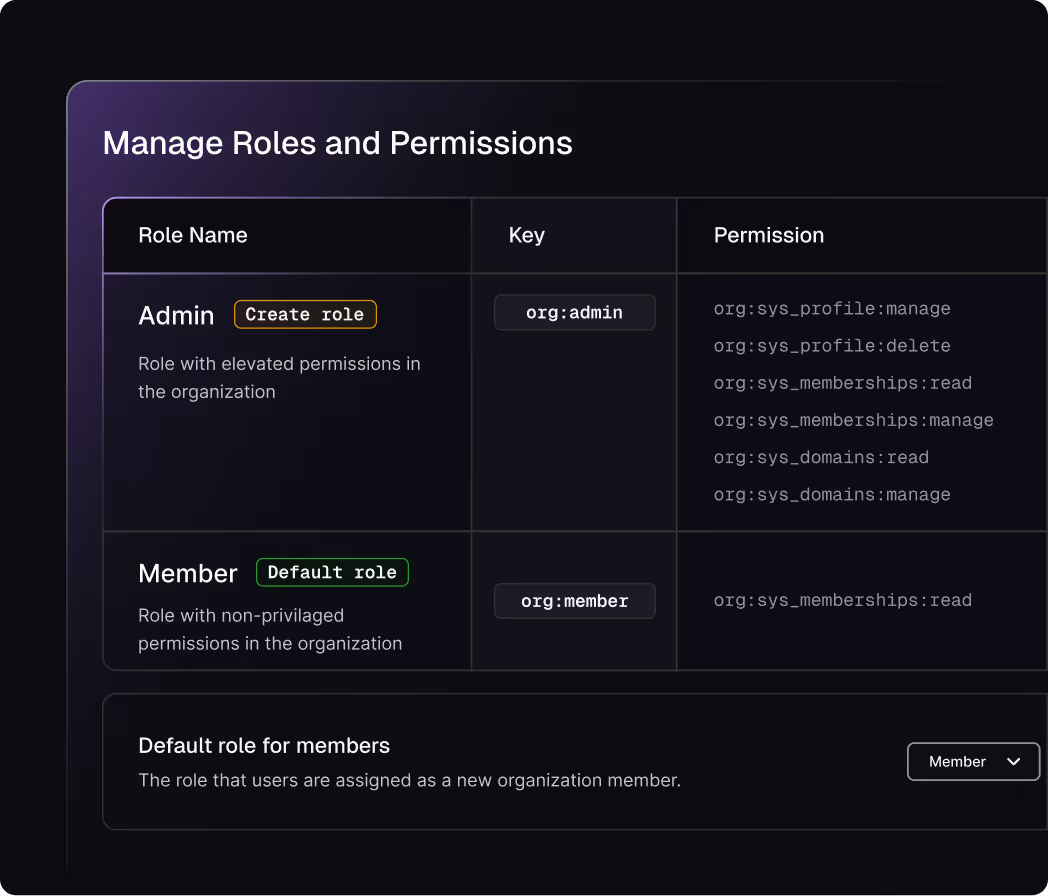
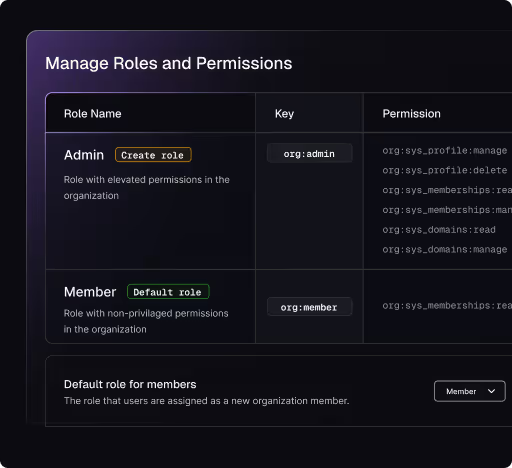
Model roles, scopes, and fine-grained permissions across users, orgs, and agents

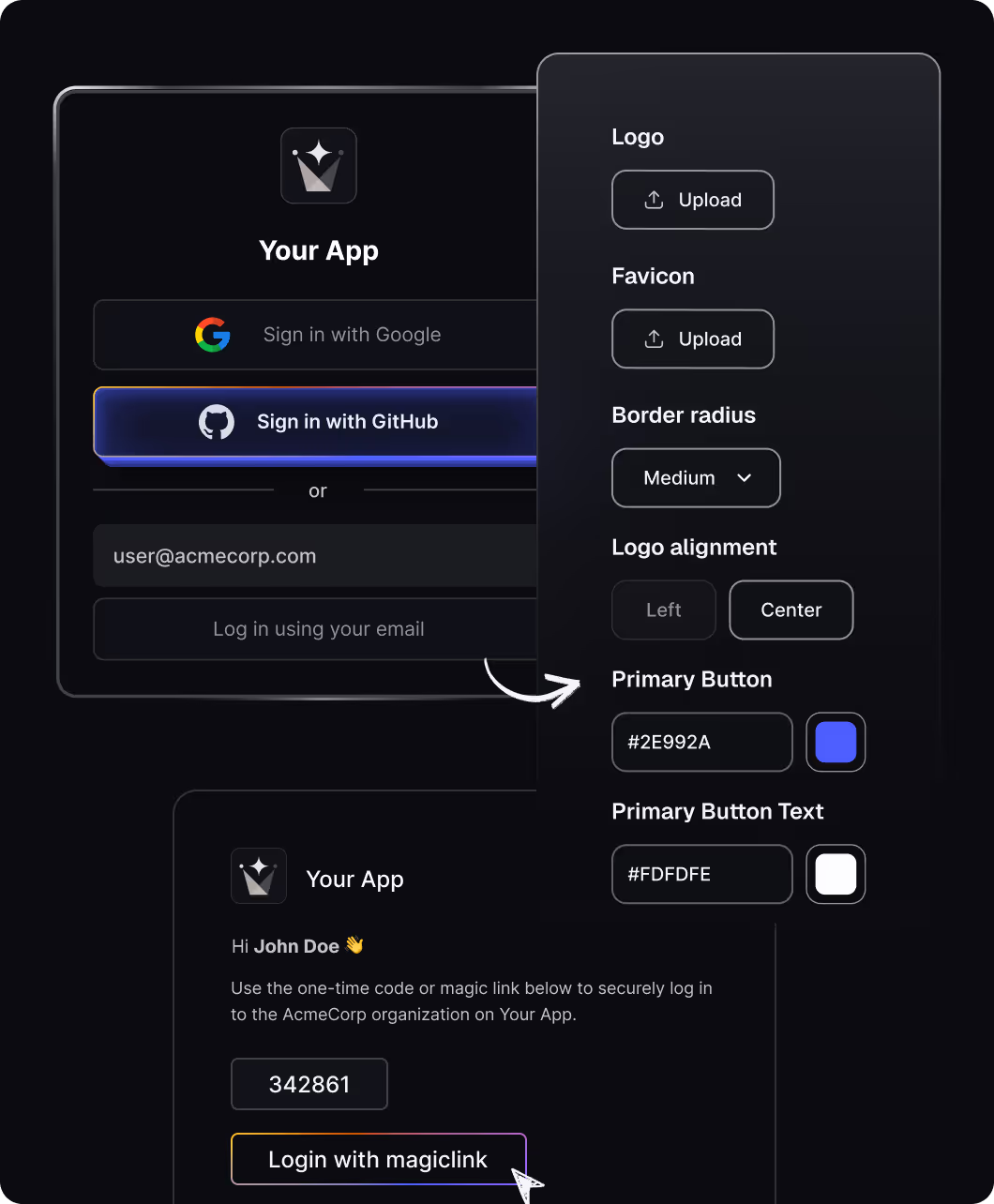
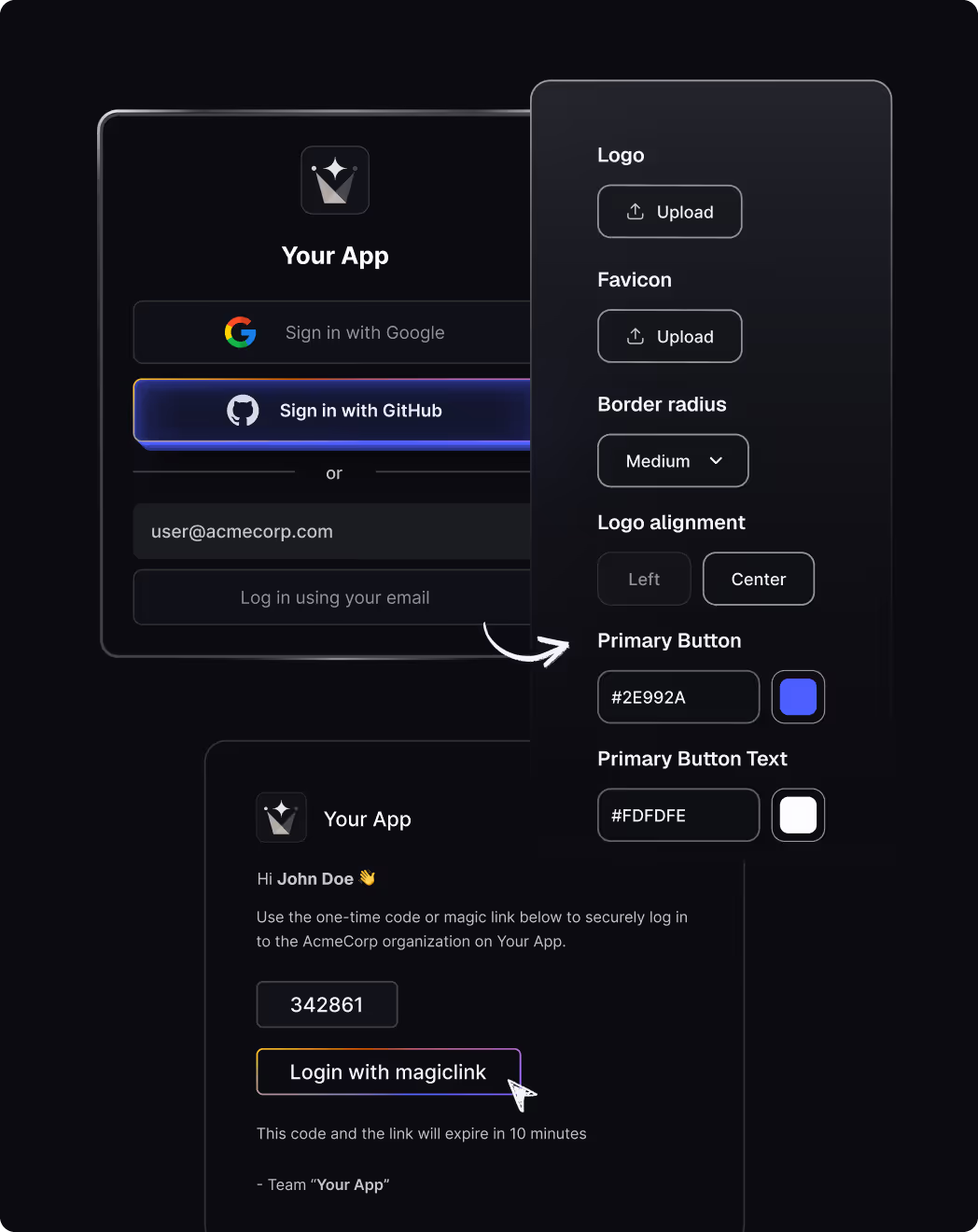
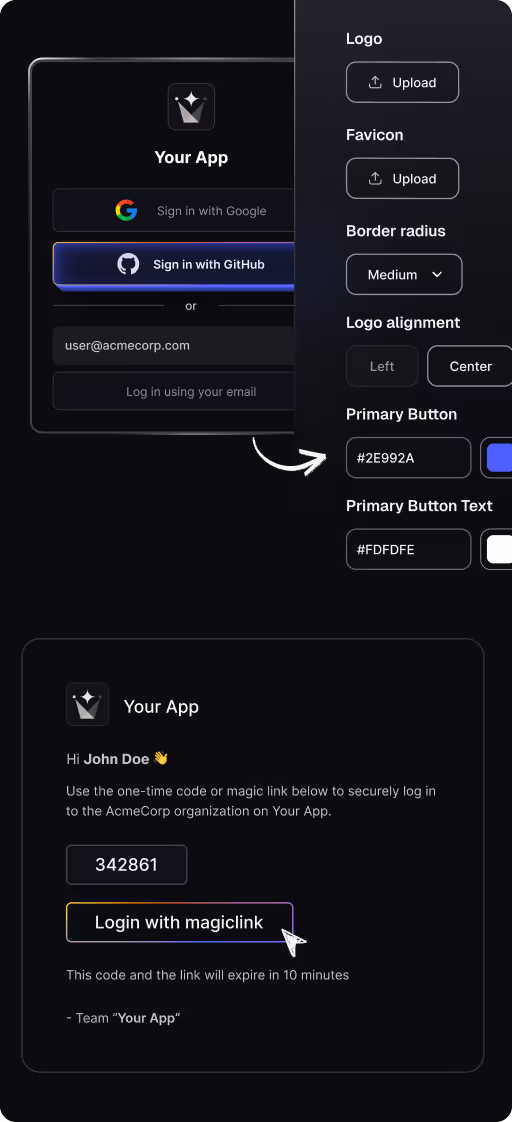
Custom UI widgets, branded admin portals, email templates, and custom domains — fully configurable

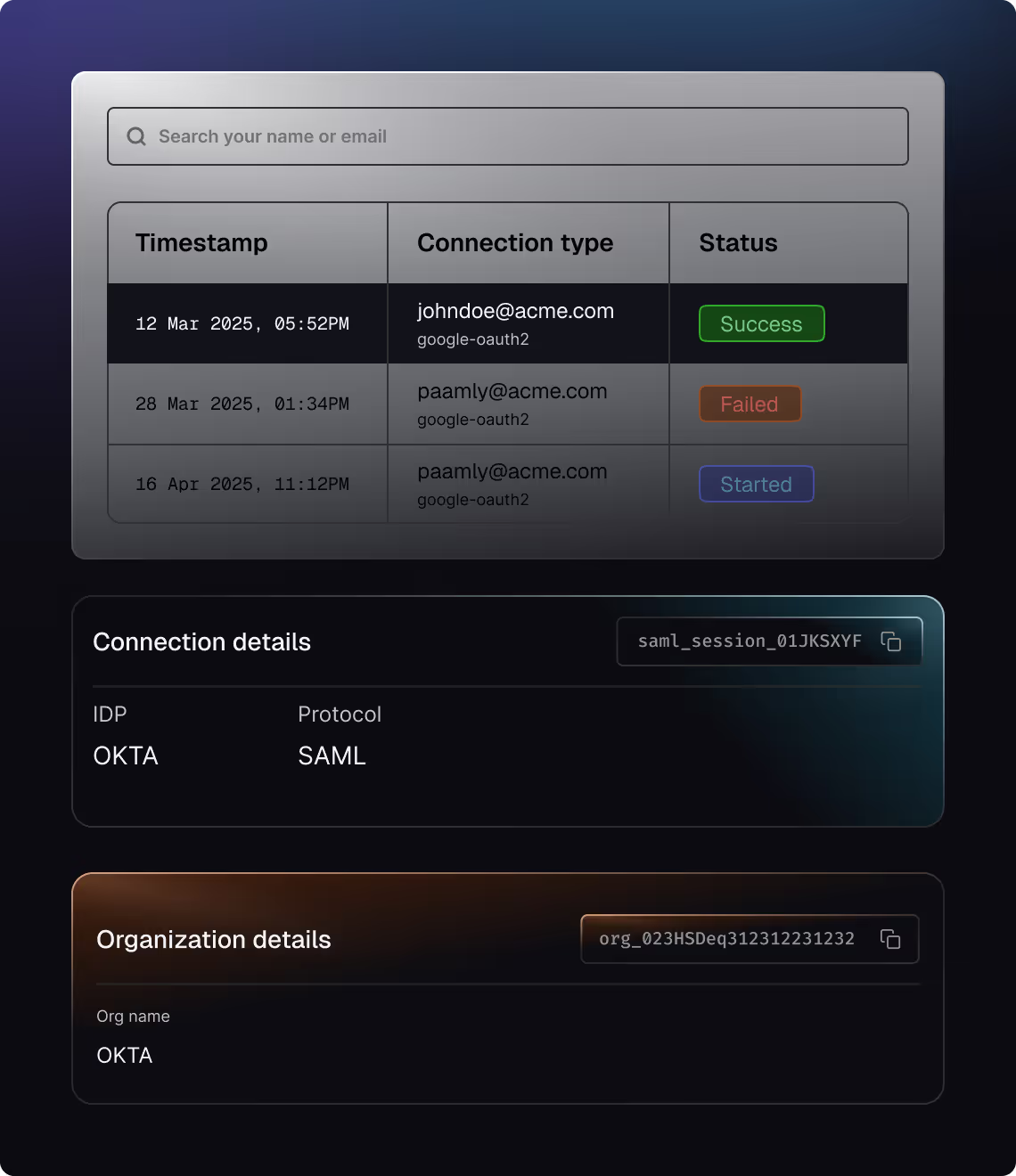
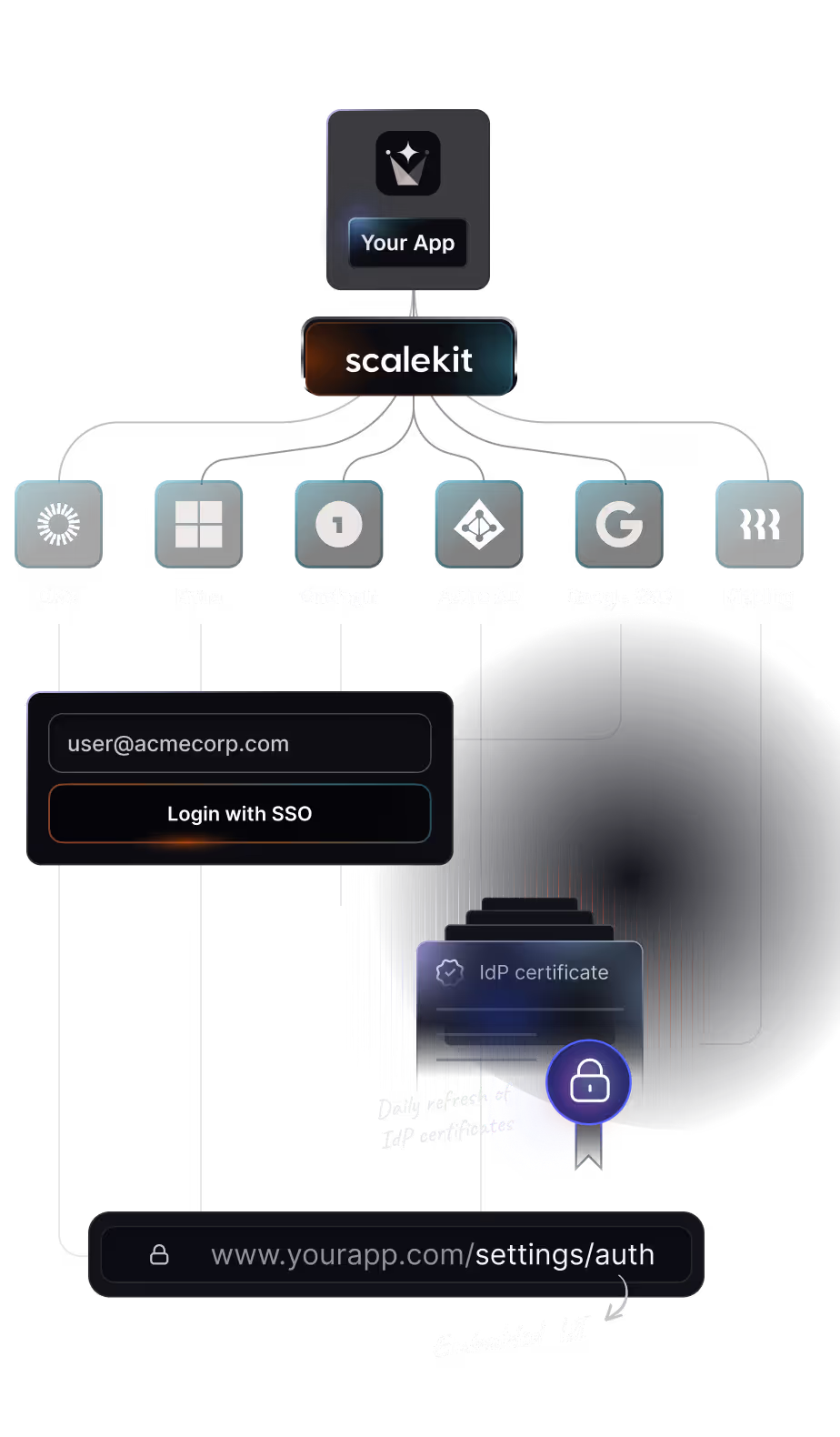
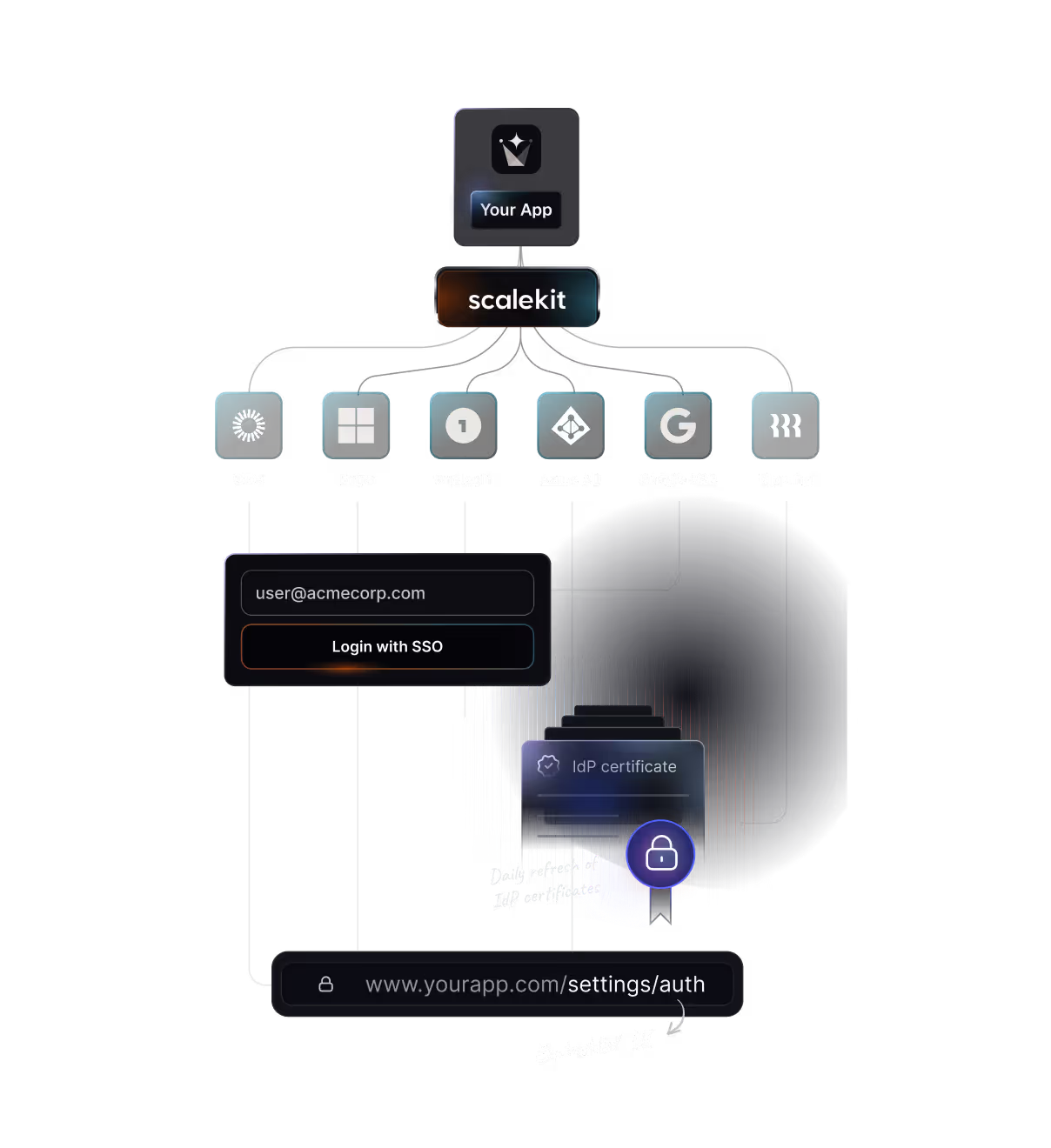
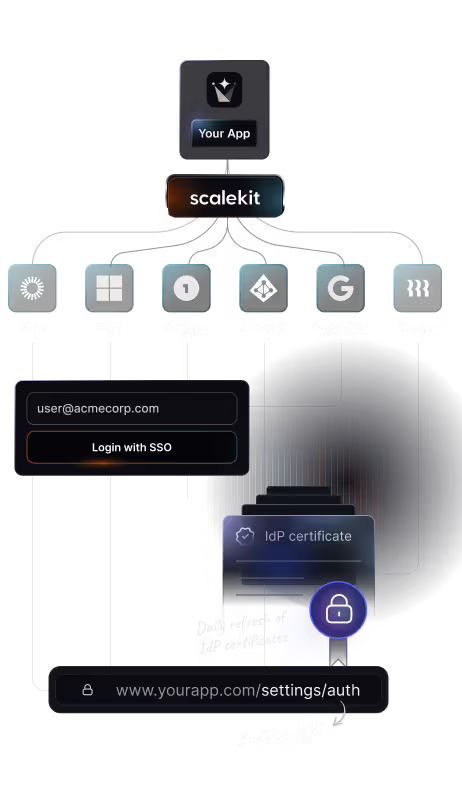
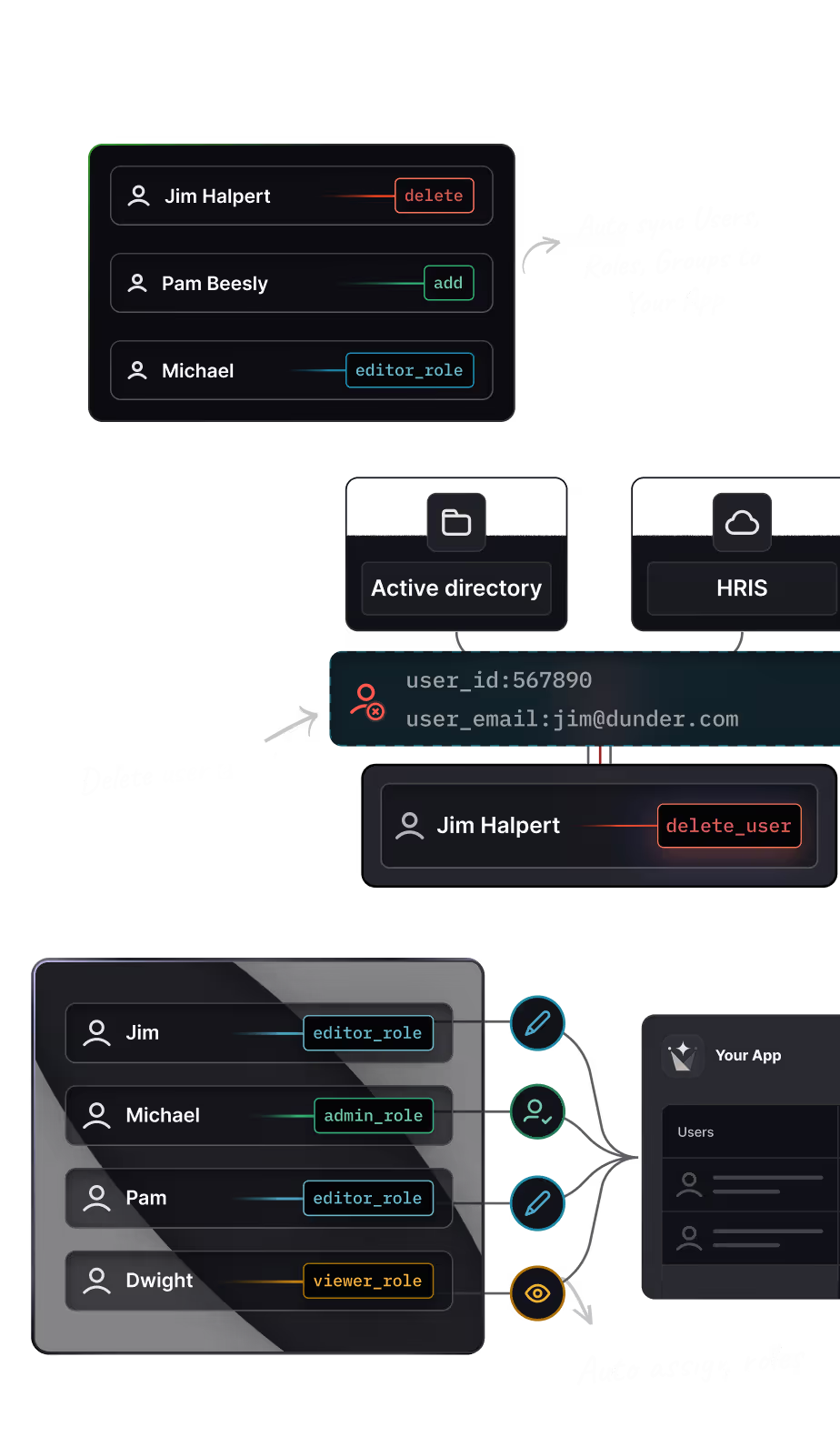
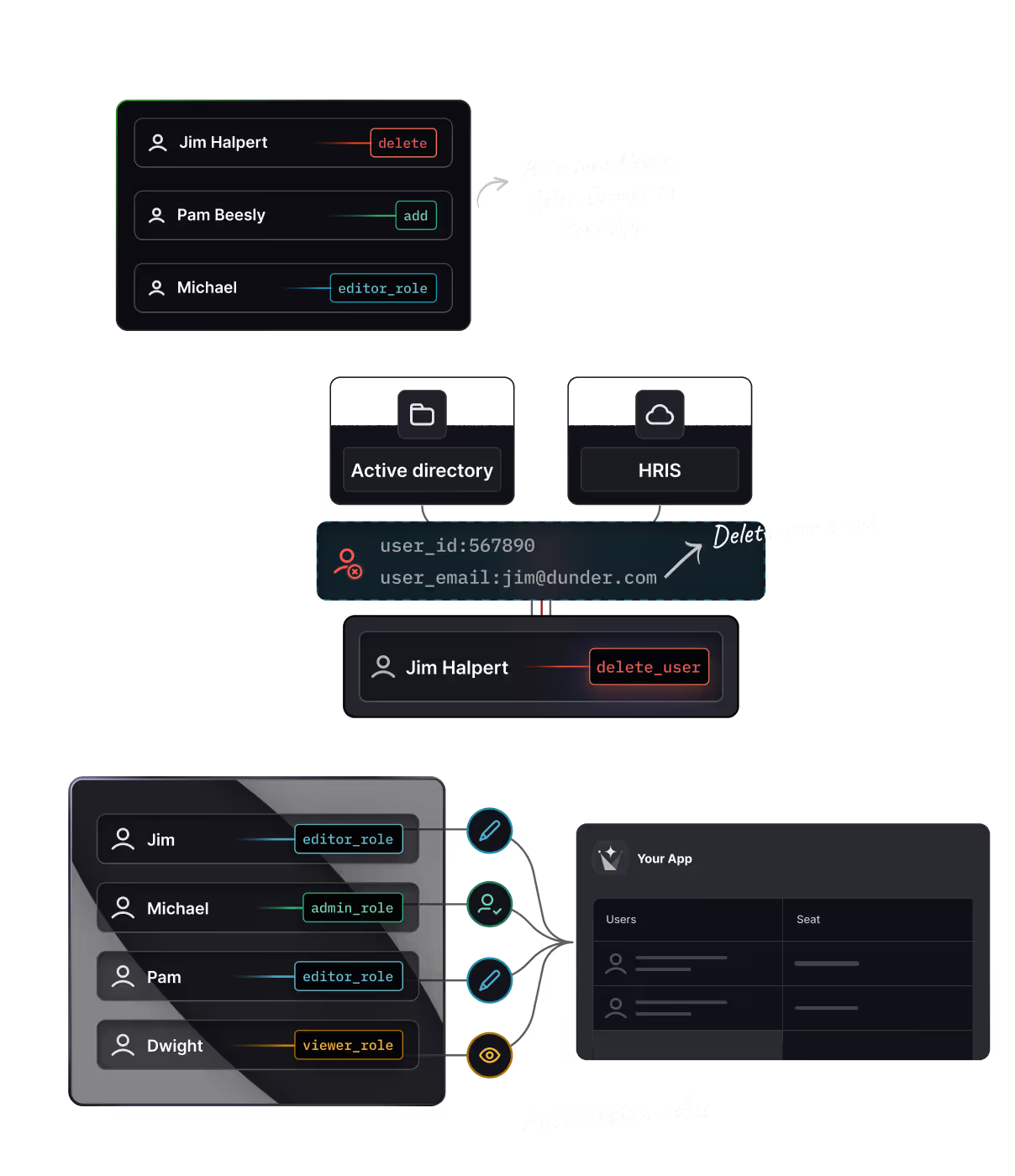
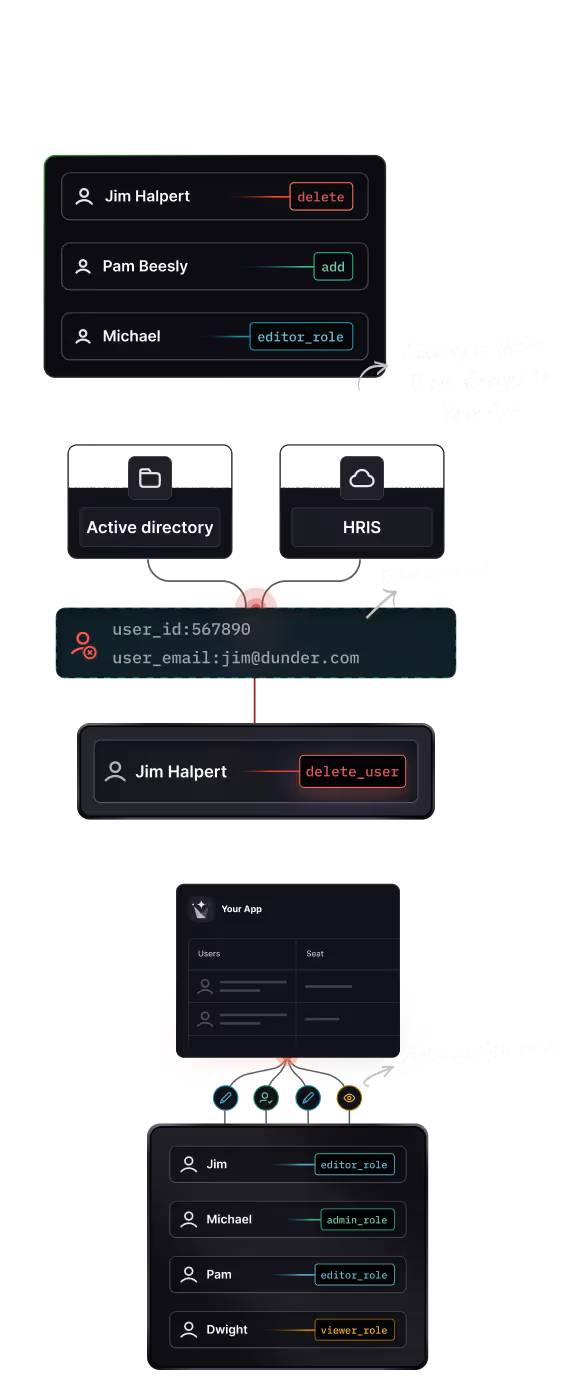
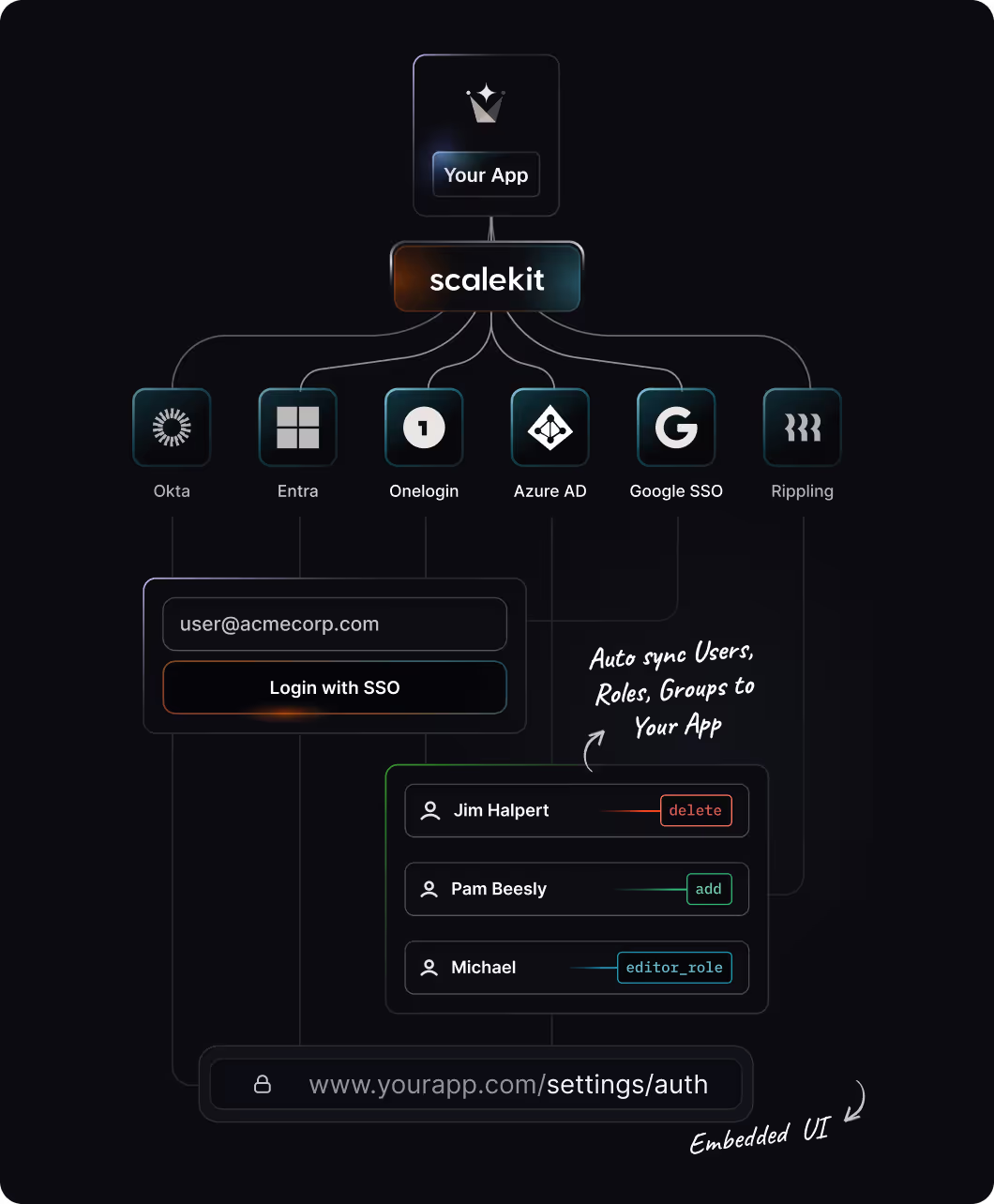
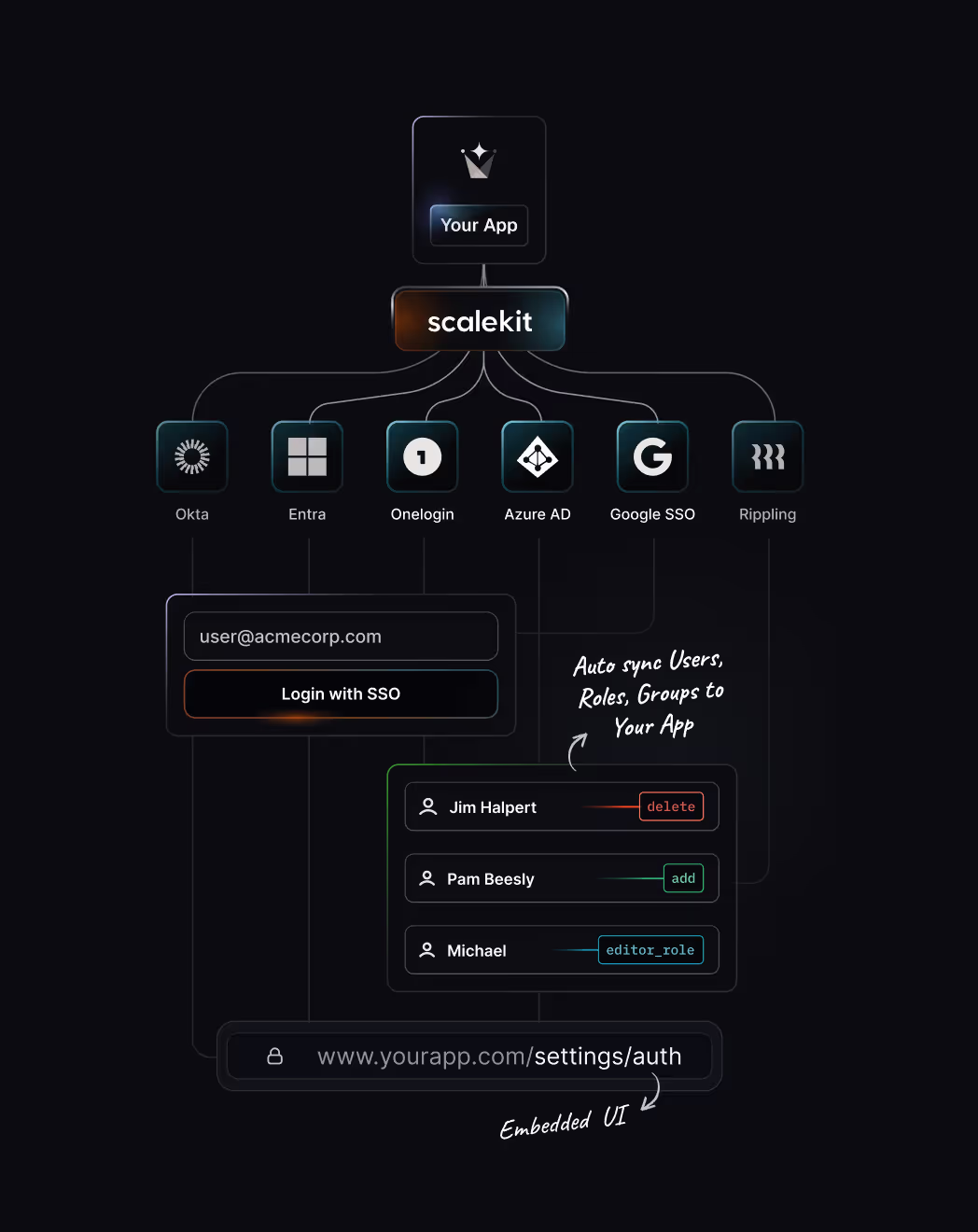
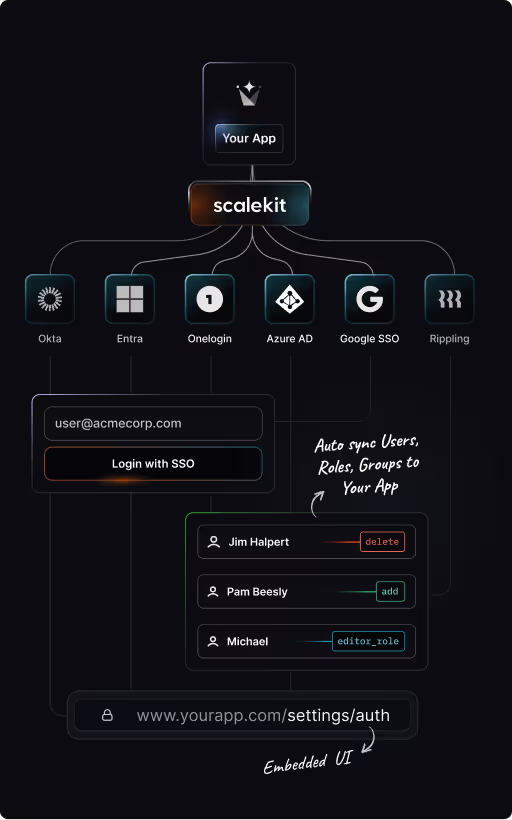
Drop-in SAML/OIDC SSO and SCIM provisioning for fast, enterprise-grade onboarding
















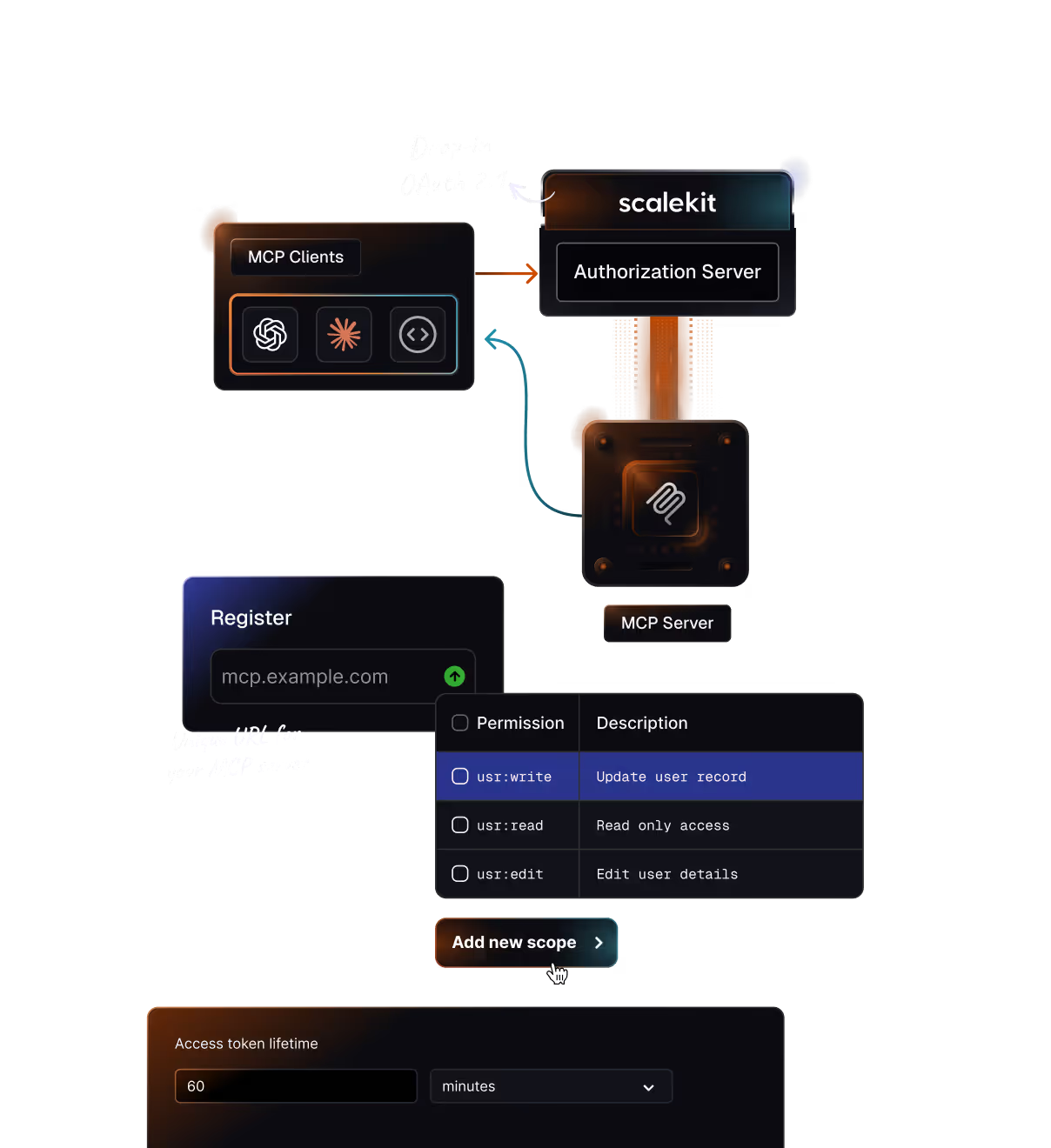
const RESOURCE_ID = 'https://your-mcp-server.com';
const resource_metadata_endpoint = 'https://your-mcp-server.com/.well-known/oauth-protected-resource';
app.get ('/.well-known/oauth-protected-resource', (req, res).=> res.json({
authorization_servers: ['https://your-app.scalekit.com/resources/xxx'],
bearer_methods_supported: bearer_methods_supported
resource:: RESOURCE_ID
);
app.use (async (req, res, next) = => {
const token =
req.headers['authorization']?.split('Bearer')[1]?.trim();
if (!token) return res.sendStatus(401);
await scalekit.validateToken (token, { audience: [RESOURCE_ID] });
next();
);
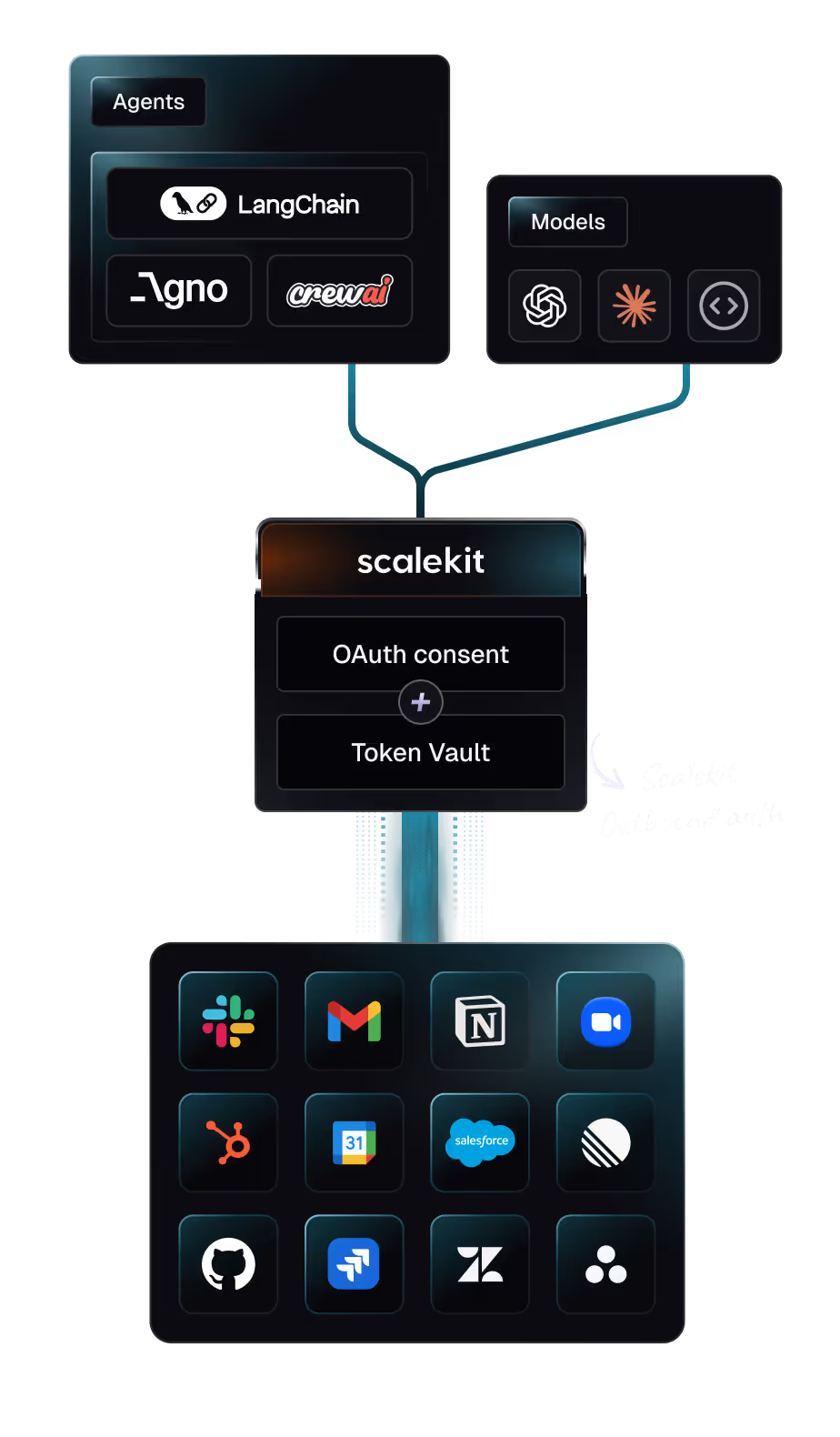
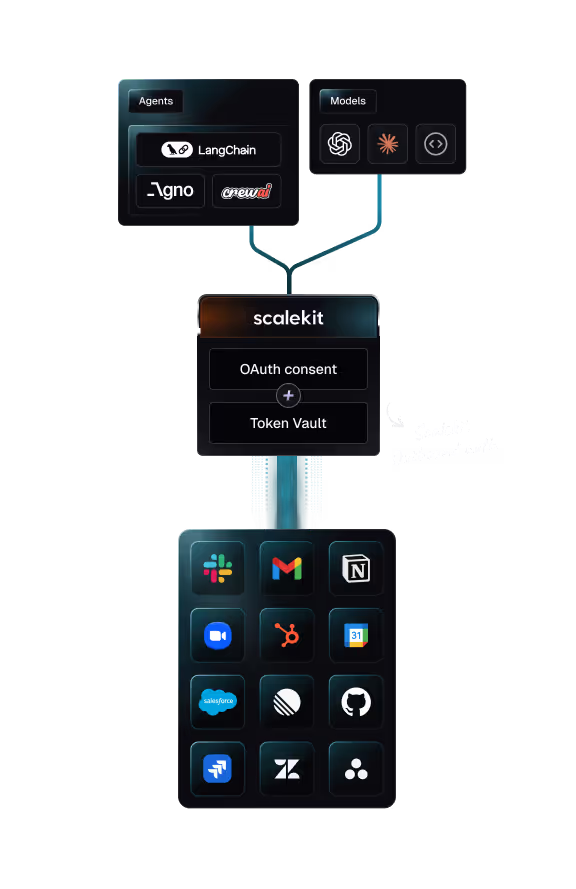
# Create a connected account for user if it doesn't exist already
response = actions.get_or_create_connected_account(
connection_name: "gmail",
identifier: "user_123" #unique identifier for your connected account. can be replaced with your system's user ID
);
connected_account = response.connected_account
print (f'Connected account created = {connected_account.id}')
const opts = { organizationId : 'org_123',connectionId:'conn_456',loginHint:'user@corp.com' };
const authUrl = scalekit.getAuthorizationUrl ('https://yourapp.com/auth/callback',opts };
// Redirect user to authUrl
// After login, handle callback with ?code=...
const {code} = req.query
const result = await scalekit. authenticateWithCode(code,
'https =//yourapp.com/auth/callback');
const user = result.user;
const sendRes = await scalekit.passwordless. sendPasswordlessEmail(
"user@example.com" ,{ magiclinkAuthUri: "https://yourapp.com/verify" }
);
await scalekit.passwordless.resendPasswordlessEmail(sendRes.authRequestId);
const verifyRes = await scalekit.passwordless. verifyPasswordlessEmail(
{ code: "123456"}, : sendRes.authRequestId
);